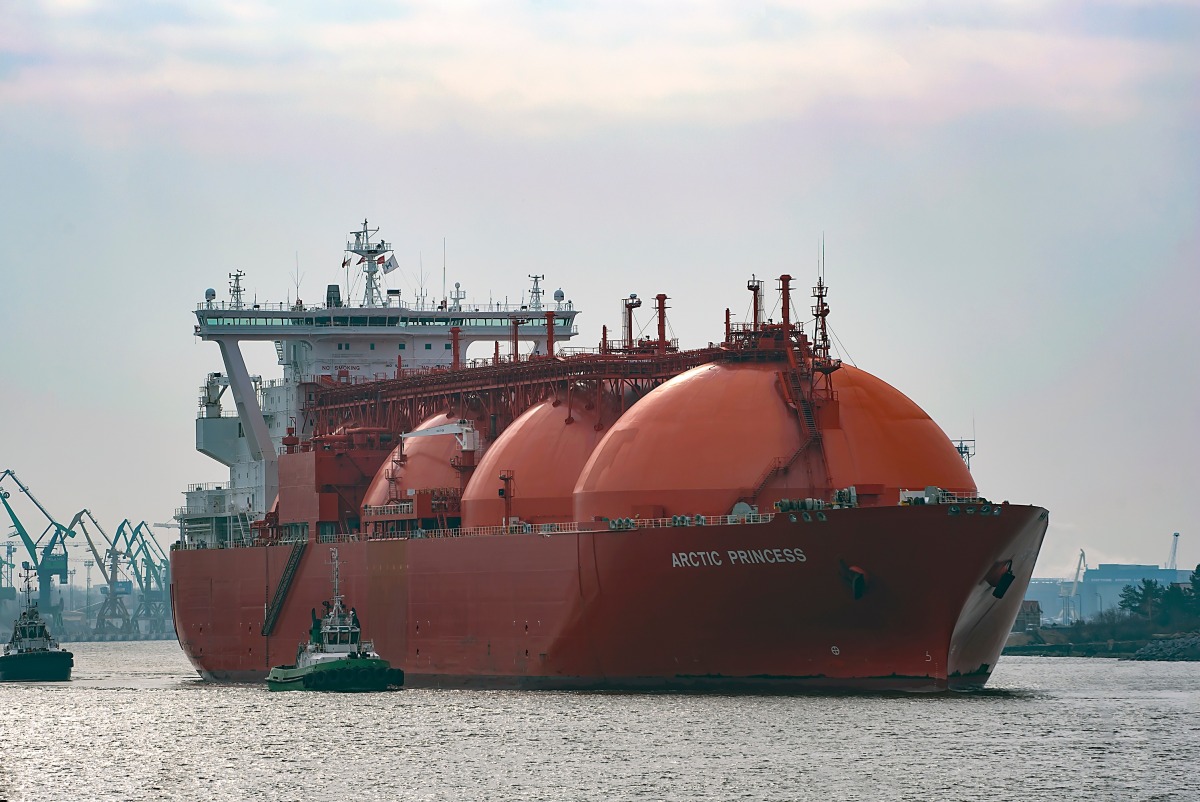
The world is on the cusp of a liquefied natural gas (LNG) oversupply that could reshape global energy markets for years to come, the Al-Attiyah Foundation reports in its latest Energy Research Paper, Navigating the LNG Oversupply: Market Dynamics and Future Challenges. Yet amid the turbulence, Qatar is uniquely positioned to strengthen its leadership, thanks to its low-cost production, strategic expansion plans, and growing list of long-term partnerships with key global markets.
Between 2025 and 2029, at least 200 million tonnes per annum (Mtpa) of new LNG capacity (equal to half of today’s global output) is expected to flood the market. LNG supply is projected to exceed demand by 63 million tonnes by 2030if all under-construction projects proceed on schedule, Bloomberg’s Global LNG Market Outlook 2030: Focus on Supply Risks states. However, project delays and sanctions, particularly against Russia, have already removed an estimated 21 million tonnes of supply by the end of the decade, softening the oversupply outlook.
Despite a short-term tight market, LNG supply is forecast to outpace demand from 2027 onwards. Still, Qatar’s advantages remain clear. Its North Field expansion projects, including the recently launched North Field West, will boost the nation’s export capacity by 85% by 2030. QatarEnergy’s low-cost production at around $6/MMBtu, which is significantly below new US projects at $9–10/MMBtu, ensures the country can remain profitable even in a lower-price environment.