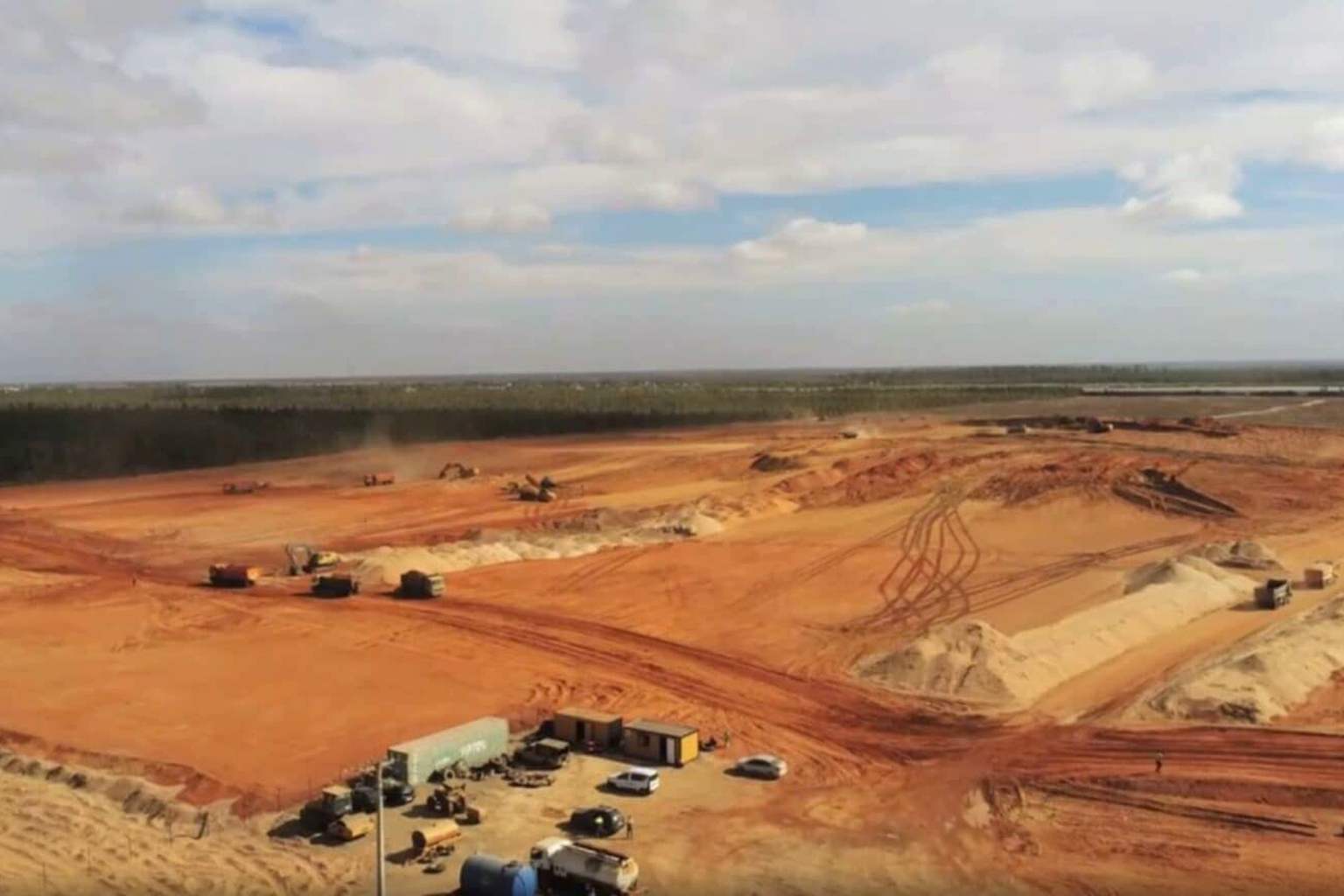
Morocco is making history with a massive $5.6 billion investment from China to build Africa’s first-ever battery gigafactory. This project isn’t just about construction; it’s a symbol of a new era where Africa and China are joining forces to transform the continent’s role in the global energy and automotive sectors.
This huge step forward signals Morocco’s strategic rise as a key player in the worldwide clean energy race. With the gigafactory set to deliver cutting-edge technology, it’s a win for both innovation and economic development. What does this partnership mean for Morocco, China, and Africa’s future?
After previously partnering with France, Morocco is now deepening its ties with China through an ambitious project to build the continent’s first battery gigafactory. Located in Kenitra, in northwest Morocco, this facility marks a major milestone for Africa’s role in the energy transition.
The Chinese company Gotion High-Tech will lead the effort, with production starting as early as the third quarter of 2026. The first phase aims for a capacity of 20 gigawatt-hours (GWh) per year, enough to supply thousands of electric vehicles, and the final goal is to ramp up to an astonishing 100 GWh.
With a total projected investment of around $6.5 billion (equivalent to $5.6 billion in euros), this is one of the largest industrial projects ever seen on the continent. The initial phase alone involves a $1.3 billion investment and is expected to generate approximately 17,000 jobs, both direct and indirect. This huge economic boost can hardly be overstated in a country eager to diversify its industry.
The gigafactory isn’t just about putting cells together. It will also produce critical electrode materials such as cathodes and anodes, which adds a powerful layer of security over the supply chain. This integration means Morocco won’t have to rely entirely on imports, giving it a leg up in cost competitiveness and regional autonomy.
Approximately 85% of the batteries made here will be exported to the European Union, helping cut down the reliance on Asian markets and shortening supply lines for the auto industry. Morocco’s role is evolving from a simple assembly hub to a major manufacturing powerhouse, servicing one of the world’s largest markets.
The project’s roadmap lays out a modular growth plan, starting with the first stage in 2026 and expanding as new contracts are secured and financing is finalized. This flexibility is important in the fast-changing energy sector, allowing for adaptation while maintaining ambitious long-term goals.
Source: Leravi