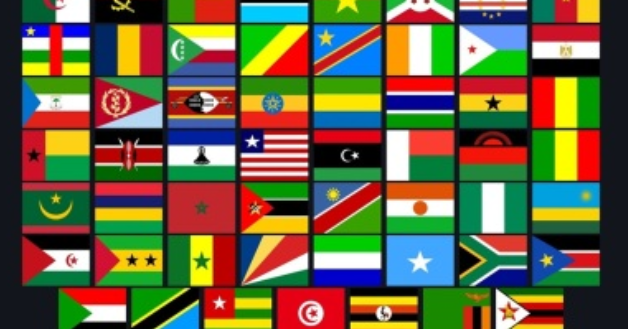
The African Export-Import Bank (Afreximbank; SEM:AEIB) has called for more financing of intra-African trade and stronger compliance frameworks, saying only 12 of the 50 countries that have ratified the African Continental Free Trade Area (AfCFTA) agreement are actively trading under it.
“We cannot build an integrated African market without financing the trade that connects us, and we cannot expand that trade sustainably without the trust, transparency and compliance systems that underpin it,” Haytham El Maayergi, executive vice-president of the Cairo-based multilateral lender’s Global Trade Bank, said on November 16 in Gaborone, according to an Afreximbank statement. He was speaking at the opening of the bank’s Trade Finance Seminar and Compliance Forum, held jointly for the first time.
El Maayergi said intra-African trade grew by 5.5% in 2025 but still accounted for only about 14% of the continent’s total trade. Afreximbank’s 2026 African Trade Report put intra-African trade at about $213.8bn last year. “We have opened the market. Our task now is to make that market work,” he said.
He also said Africa loses more than $5bn a year by settling intra-African trade in foreign currencies, and urged countries that have yet to join the Pan-African Payment and Settlement System (PAPSS), which settles payments in local currencies across more than 30 African countries, to do so, Xinhua reported.
Bank of Botswana Governor Lesego Moseki said compliance should be recognised as a strategic asset that strengthens resilience, builds trust and enhances competitiveness, and called for closer cooperation among regulators, financial institutions and development finance institutions. He said the success of PAPSS depended on central banks cooperating on oversight, anti-money-laundering safeguards and interoperability, and warned that fragmented cross-border rules raise costs and push trade into informal channels, Xinhua reported.
Access to correspondent banking is a central concern for the forum. “Many African banks continue to face barriers to accessing correspondent banking services,” Luis Koberg, founder and chief executive of Klearium Group and one of the forum’s speakers, said ahead of the event, citing limited visibility across the payment chain.
Botswana used the event to pitch for finance for its push to diversify away from diamond mining. “Botswana is targeting an increase in manufacturing exports to reach 23 per cent by 2036,” said Anthony Sefako, acting chief executive of the Botswana Investment and Trade Centre (BITC), which co-organised the compliance forum. The figure stood at 11.2% in 2024, according to Xinhua.
Diamonds account for about 30% of Botswana’s GDP and nearly 80% of export earnings, and the economy contracted 0.7% in 2025 as diamond production fell 11.4%, the African Development Bank said in August.
Afreximbank’s own credit standing has been disputed this year. Fitch Ratings cut the lender to BB+, below investment grade, and withdrew its ratings in January after Afreximbank ended their relationship in a dispute over whether the bank enjoys preferred creditor status in sovereign debt restructurings. S&P Global Ratings restored Afreximbank’s investment-grade rating in June, at BBB+ with a stable outlook, saying it did not factor preferred creditor status into its assessment because almost 80% of the bank’s loans go to private-sector entities.
The lender reported last month that net income rose 24% to $813.5mn in the first nine months of 2026, while its non-performing loan ratio edged up to 2.48% from 2.43% at the end of 2025.
The forum runs until November 18 and will be followed by a workshop on factoring and other alternative trade finance instruments on November 19.
Source: Intellinews